What Causes Sewer Line Damage in Oklahoma City? Common Problems Homeowners Should Know
Learn the most common reasons sewer lines fail in Oklahoma City and how identifying problems early can help you avoid expensive repairs.
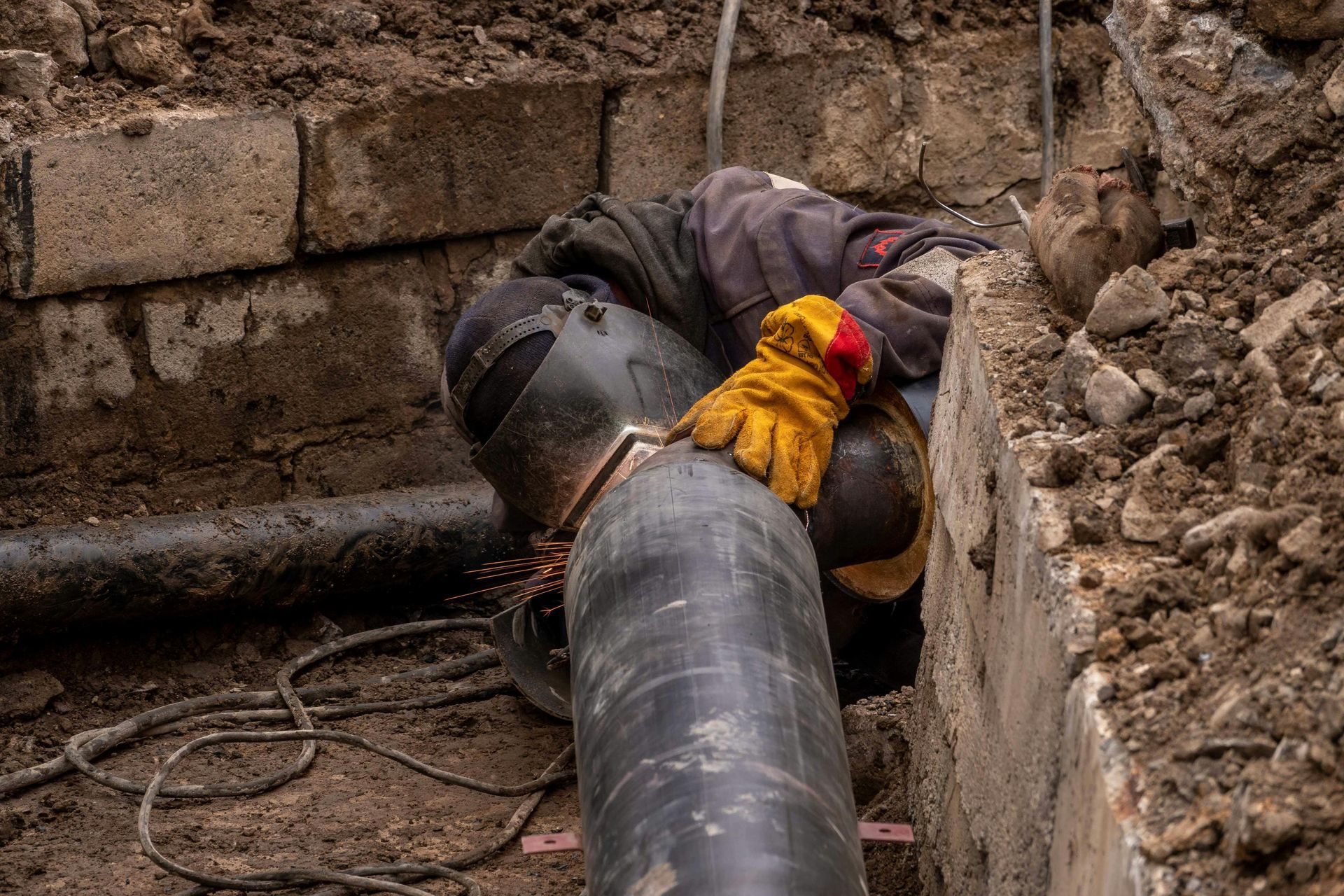
Most homeowners don’t think about their sewer line until something goes wrong. Unfortunately, sewer line damage often develops slowly over time, and by the time symptoms appear, the problem may already be serious.
The good news is that understanding what causes sewer line damage can help you recognize warning signs early and avoid more costly repairs. Whether you’re dealing with slow drains, recurring backups, or foul odors, knowing the source of the problem is the first step toward protecting your home.
1. Tree Roots Invading Sewer Lines
Tree roots are one of the most common causes of sewer line damage throughout Oklahoma City. Roots naturally seek out moisture, and even the smallest crack or loose pipe joint can allow them to enter your sewer line.
Once inside, the roots continue growing, restricting water flow and eventually causing blockages, cracked pipes, or complete pipe failure.
If tree roots are damaging your pipes, professional Sewer Line Repair can often restore your system before the damage becomes worse.
2. Aging Sewer Pipes
Many older homes throughout Oklahoma City still have sewer lines made from clay, cast iron, or other aging materials. Over time these pipes naturally weaken due to corrosion, shifting soil, and years of daily use.
As pipes age, they’re more likely to develop:
- Cracks
- Collapsed sections
- Leaks
- Corrosion
- Broken joints
In some situations, repairs are enough. However, severely deteriorated pipes may require a complete Sewer Line Replacement to restore reliable drainage.
3. Oklahoma’s Expansive Clay Soil
One unique challenge homeowners face in Oklahoma City is our expansive clay soil.
During dry periods, the soil contracts. After heavy rain, it expands significantly. This constant movement places pressure on underground sewer lines, causing pipes to shift, separate, or crack over time.
Even newer sewer systems can experience problems when soil movement becomes severe.
4. Grease, Debris, and Non-Flushable Items
Many sewer line problems start with everyday habits inside the home.
Pouring grease down the kitchen sink or flushing wipes, paper towels, feminine hygiene products, and other non-flushable materials can gradually create stubborn blockages.
As these obstructions grow, pressure builds inside the pipe, increasing the risk of leaks and damage.
Routine Sewer Line Cleaning helps remove buildup before it turns into a costly repair.
5. Heavy Rain and Storm Damage
Oklahoma storms can also contribute to sewer line damage. Heavy rainfall saturates the ground surrounding underground pipes, increasing pressure on aging sewer lines. Excess water can also worsen existing cracks or weak joints, allowing dirt and debris to enter the system.
If you’ve experienced flooding or notice new drainage problems after a storm, it’s a good idea to have your sewer line inspected promptly.
How to Help Prevent Sewer Line Damage
While some sewer problems are unavoidable, regular maintenance can greatly reduce your risk.
Here are a few simple ways to protect your sewer line:
- Avoid pouring grease or cooking oil down drains.
- Only flush toilet paper and human waste.
- Schedule routine sewer inspections for older homes.
- Remove problem trees located near sewer lines.
- Address slow drains or recurring clogs before they become major issues.
Preventative maintenance is almost always less expensive than emergency repairs.
When Should You Call a Professional?
If you’re noticing recurring drain backups, sewage odors, unusually green patches in your yard, or multiple slow drains throughout your home, your sewer line may already be damaged. Learn the warning signs in our article on 5 Signs Your Sewer Line Needs Repair.
Waiting too long can allow a small repair to become a much larger project.
Our team provides fast, dependable Emergency Sewer Repair throughout Oklahoma City. We can quickly identify the cause of the problem and recommend the most effective solution to restore your sewer system.
Conclusion
Sewer line damage rarely happens overnight. Tree roots, aging pipes, Oklahoma’s shifting soil, grease buildup, and severe weather can all contribute to problems beneath your property.
Recognizing the warning signs early can help prevent more extensive damage and save you money on future repairs. If you suspect your sewer line has been damaged, contact OKC Sewer Line Repair for prompt service and honest recommendations to keep your plumbing system working properly.
Not sure whether your sewer line can be repaired? Read Repair vs. Replacement: Which Do You Need?
FAQ
What is the most common cause of sewer line damage?
Tree root intrusion is one of the most common causes of sewer line damage. Roots naturally seek moisture and can enter small cracks in underground pipes, eventually causing blockages, leaks, or even pipe collapse. Older clay and cast iron sewer lines are especially vulnerable.
Can tree roots really break a sewer line?
Yes. Tree roots can grow into tiny openings in sewer pipes and continue expanding over time. As the roots grow, they can block wastewater flow, crack pipes, and eventually require professional sewer line repair or replacement.
How long do residential sewer lines typically last?
The lifespan of a sewer line depends on the pipe material. Clay pipes may last 50–60 years, cast iron pipes around 75–100 years, and modern PVC pipes can last more than 100 years when properly installed and maintained.
Can Oklahoma weather damage underground sewer lines?
Yes. Oklahoma’s changing weather conditions, including droughts, heavy rainfall, and shifting soil, can place stress on underground sewer pipes. Over time, soil movement may cause pipes to crack, separate, or collapse, especially in older homes.
How can homeowners prevent sewer line damage?
Regular sewer inspections, avoiding flushing non-biodegradable items, disposing of grease properly, and monitoring trees planted near sewer lines can help prevent costly sewer damage. Catching small problems early often prevents major repairs later.
You might also like