5 Signs Your Sewer Line Needs Repair in Oklahoma City
Discover the most common sings of sewer line damage and when it's time to call a professional in Oklahoma City.
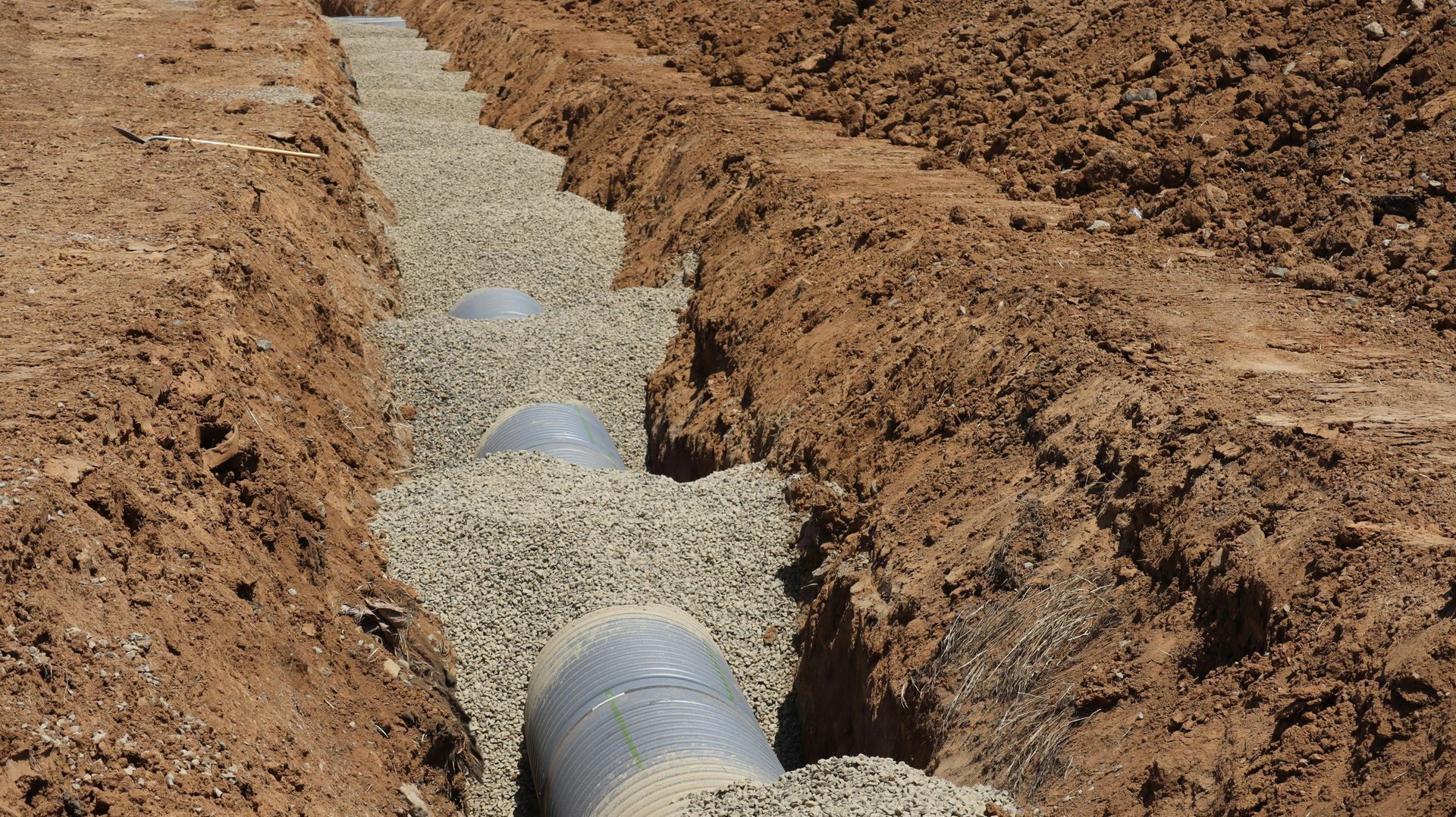
Your sewer line is one of the most important parts of your home’s plumbing system. Unfortunately, many homeowners don’t realize there’s a problem until it becomes a major and expensive issue. Knowing the warning signs early can help you avoid property damage, costly repairs, and unexpected disruptions.
If you notice any of the following signs, it may be time to schedule professional sewer line repair in Oklahoma City.
1. Multiple Drains Are Backing Up
A single clogged sink or shower drain is often a minor plumbing issue. However, when multiple drains throughout your home begin backing up at the same time, the problem may be located in your main sewer line.
You may notice:
- Toilets backing up when sinks are used
- Water appearing in tubs or showers
- Several drains becoming slow simultaneously
- Recurring backups despite clearing individual drains
In many cases, a professional inspection can determine whether the issue requires sewer line repair or emergency service. Want more info on what actually causes these problems? Read our guide on What Causes Sewer Line Damage?
2. You Notice Sewage Odors Around Your Home
Your sewer system is designed to keep wastewater and sewer gases safely contained. If you begin smelling sewage inside your home or around your property, there may be a crack, break, or leak in your sewer line.
Common signs include:
- Persistent foul odors near drains
- Sewer smells in the yard
- Strong odors around crawl spaces or foundations
These odors should never be ignored, as they often indicate an underlying sewer line problem that can worsen over time.
3. Wet Spots or Soggy Areas in Your Yard
Have you noticed unusually wet patches of grass even when it hasn’t rained? A damaged sewer line can allow wastewater to leak underground, creating soggy areas and pooling water in your yard.
Additional warning signs may include:
- Bright green patches of grass
- Soft or muddy ground
- Standing water
- Sinkholes or ground settling
When sewer line damage becomes severe, a full sewer line replacement may be the most cost-effective long-term solution.
4. Slow Drains Throughout the House
Occasional slow drains are normal, but when every drain in the home begins draining slowly, it often points to a blockage or restriction in the main sewer line.
Professional sewer line cleaning can remove:
- Grease buildup
- Debris accumulation
- Tree root intrusion
- Years of sediment and waste buildup
Cleaning may restore proper flow and prevent more serious sewer line damage from developing.
5. Frequent Drain Clogs Keep Returning
If you’re constantly reaching for a plunger or drain cleaner, there may be a larger issue affecting your sewer system.
Recurring clogs often occur when:
- Tree roots enter the sewer line
- Pipes have begun collapsing
- Significant buildup restricts flow
- Sections of pipe are damaged or misaligned
While temporary fixes may provide short-term relief, identifying and addressing the root cause is the best way to protect your home and avoid future emergencies.
When to Call a Professional Sewer Repair Company
The earlier sewer line issues are identified, the easier and less expensive they are typically to fix. A professional inspection can determine whether your system needs cleaning, repair, or replacement before the problem escalates.
If you’re experiencing backups, odors, slow drains, or recurring clogs, don’t wait for the issue to get worse. Professional sewer line repair can help restore your system, protect your property, and give you peace of mind.
Conclusion
Sewer line problems rarely resolve themselves. By recognizing the warning signs early, homeowners can avoid major damage and expensive emergency repairs.
If you’ve noticed multiple drain backups, sewage odors, wet spots in your yard, slow drains, or recurring clogs, it may be time to schedule an inspection. Taking action now can help prevent a small problem from becoming a major sewer line repair project later.
FAQ
What are the most common signs that a sewer line needs repair?
Some of the most common warning signs include slow drains throughout your home, sewage odors, frequent drain backups, unusually green patches in your yard, and gurgling noises coming from toilets or drains. If you notice more than one of these symptoms, it’s a good idea to have your sewer line inspected before the problem gets worse.
Can a damaged sewer line be repaired without replacing the entire pipe?
Yes. In many cases, a damaged sewer line can be repaired without a full replacement. The best solution depends on the extent of the damage, the age of the pipe, and whether issues like tree roots or a collapsed section are present. A professional inspection can determine the most cost-effective option.
How do I know if my sewer line is clogged or collapsed?
A clog usually causes slow drains or isolated backups, while a collapsed sewer line often results in recurring backups, multiple plumbing fixtures draining slowly, sewage odors, or soggy areas in your yard. A sewer camera inspection is the most accurate way to identify the problem.
What should I do if I think my sewer line is damaged?
If you suspect a sewer line problem, avoid using excessive water until the issue has been evaluated. Continuing to run water can make backups worse and increase property damage. Contact a sewer line professional to inspect the line and recommend the appropriate repair.
How can I prevent sewer line problems in the future?
Regular maintenance, avoiding grease and non-flushable items, managing tree roots near sewer lines, and scheduling periodic sewer camera inspections can help prevent costly repairs. Addressing small drainage issues early is often much less expensive than waiting for a major sewer line failure.
You might also like